


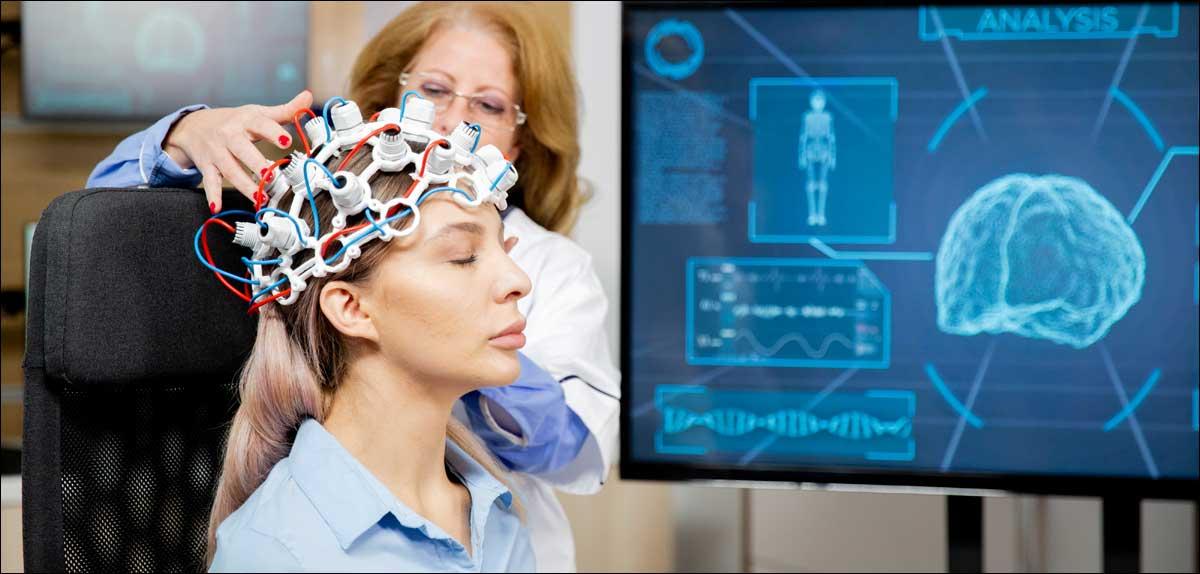
A strategic Brain Computer Interface Market Analysis using the SWOT framework reveals a market of immense promise, balanced by significant challenges. The most profound strength of the BCI market is its potential to offer life-altering solutions for previously untreatable conditions. For a person with paralysis, the ability to control a robotic arm or communicate through a computer with their thoughts is a near-miraculous restoration of autonomy and dignity. This powerful, clear-cut value proposition in the medical field provides a strong ethical and financial foundation for the entire industry. Another key strength is the rapid pace of advancement in enabling technologies, particularly in AI, materials science, and micro-fabrication, which are continuously improving the performance and safety of BCI systems. The weaknesses, however, are equally significant. For invasive BCIs, the risks associated with brain surgery, the potential for infection, and the long-term stability of implants are major hurdles. For non-invasive BCIs, the primary weakness is poor signal quality (a low signal-to-noise ratio) and limited bandwidth, which restricts the complexity of tasks they can perform. Furthermore, the high cost and complexity of current systems limit their accessibility to a small, specialized user base.
Examining the external factors, the opportunities for the BCI market are vast and extend far beyond its initial medical focus. The burgeoning consumer electronics market represents a massive opportunity, with potential applications in gaming, virtual and augmented reality, smart home control, and wellness devices. Imagine a gaming experience that adapts in real-time to your emotional state, or a smart home that anticipates your needs based on your cognitive focus. The field of neuromarketing, which uses BCI to gauge consumer responses to ads and products, is another lucrative commercial avenue. There are also significant opportunities in industrial and defense sectors, such as monitoring the cognitive state of pilots or soldiers to enhance performance and safety. On the other hand, the market faces formidable threats. The most significant is the web of ethical, legal, and social issues (ELSI) surrounding a technology that can access a person's thoughts. Concerns about "mind-reading," cognitive liberty, data privacy, and the potential for misuse or hacking are paramount. Navigating the regulatory landscape, which is still being defined, will be a major challenge. The threat of public backlash due to a high-profile safety failure or ethical breach could set the entire industry back by years.
A regional analysis of the BCI market shows that North America, particularly the United States, is the current global leader in both research and commercialization. This dominance is driven by a strong concentration of top-tier research universities, a robust venture capital ecosystem willing to fund high-risk, long-term projects, and significant government funding through agencies like the NIH and DARPA. The presence of pioneering companies like Neuralink, Synchron, and a host of other startups in hubs like Silicon Valley and Boston solidifies this leadership position. Europe follows closely, with a strong tradition of medical device innovation and publicly funded research, particularly in countries like Germany, Switzerland, and France. The European market is heavily influenced by its stringent regulatory environment (e.g., GDPR), which places a strong emphasis on data privacy and ethical considerations. The Asia-Pacific region is a rapidly emerging market for BCI. Countries like China, Japan, and South Korea are making substantial investments in neurotechnology as a strategic priority. This region is expected to see the fastest growth rate in the coming years, driven by its large population, rising healthcare expenditure, and a strong manufacturing base that could help drive down the cost of BCI hardware.
In conclusion, the SWOT analysis paints a picture of a high-risk, high-reward market at a critical inflection point. The internal strengths rooted in its profound medical value and technological innovation provide a powerful engine for growth. However, the internal weaknesses of cost, complexity, and the invasiveness-versus-performance trade-off must be addressed through continued R&D. Externally, the opportunities to expand into vast consumer and industrial markets are tantalizing, but they are shadowed by the significant threats posed by ethical dilemmas and regulatory hurdles. The path to widespread adoption will require a delicate balancing act. Companies must not only innovate technologically but also engage proactively and transparently with the public, policymakers, and ethicists to build trust and create a responsible framework for the development and deployment of this transformative technology. The regional distribution of progress suggests a global race is underway, which will likely accelerate innovation but also necessitates international collaboration on ethical standards to ensure the technology benefits humanity as a whole. The future of the BCI market depends as much on solving these socio-ethical puzzles as it does on solving engineering challenges.
Explore More Like This in Our Regional Reports:




 English
 Indonesia
 Arabic
 French
 Spanish
 Portuguese
 Deutsch
 Turkish
 Dutch
Dutch
 Russian
 Romaian
 Portuguese (Brazil)
 Greek
Greek