


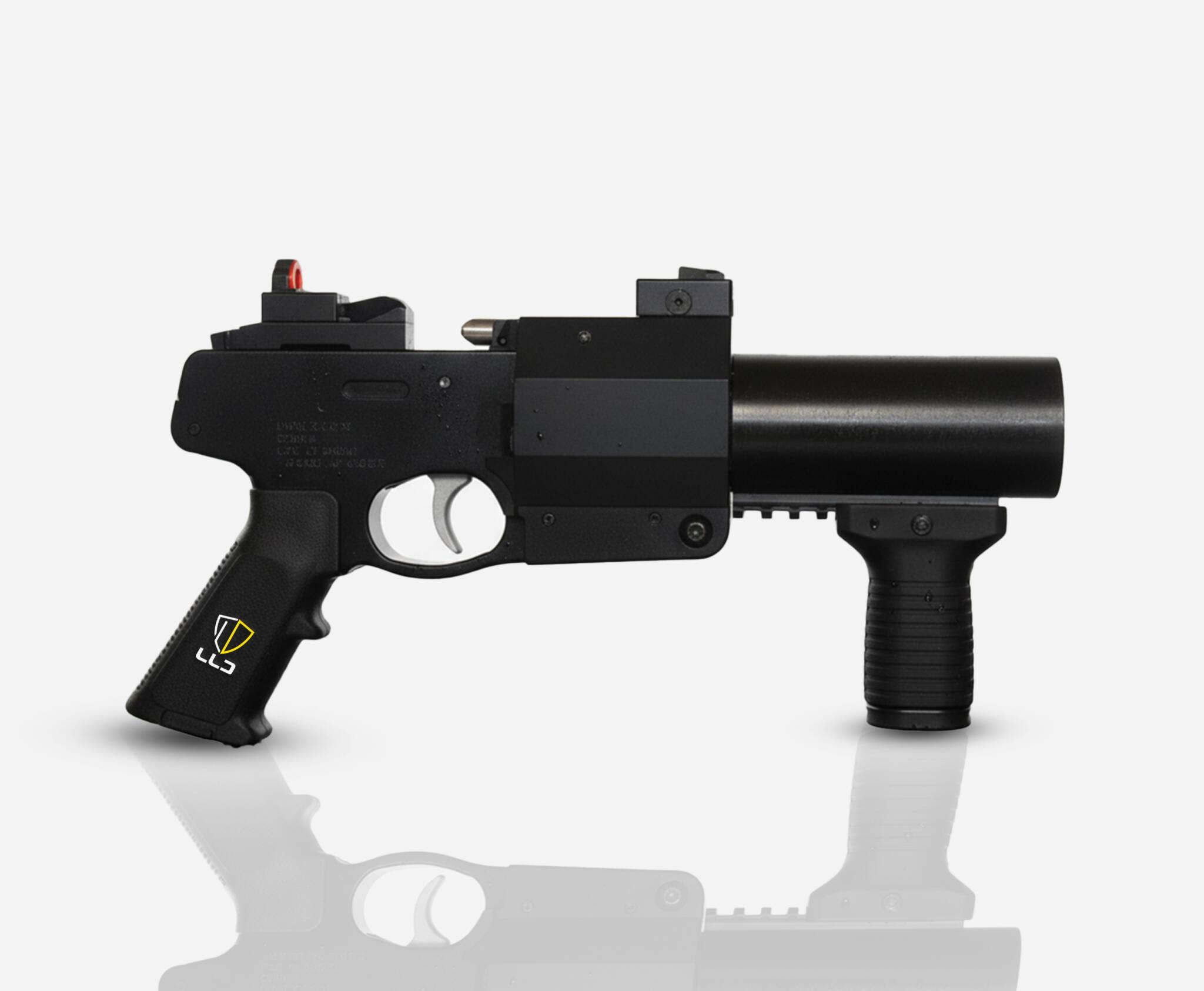
The 37 mm Ultra-Light Launcher is a specialized launcher platform designed for use by trained professionals in specific operational and training environments. It is recognized for its lightweight construction, portability, and compatibility with a variety of signaling and less lethal munitions where permitted by applicable laws and organizational policies. Understanding its design and intended applications provides useful context for those studying professional safety and tactical equipment.
What Is a 37 mm Launcher?
A 37 mm launcher is a platform developed to deploy compatible 37 mm cartridges for authorized purposes such as signaling, marking, or certain less lethal applications. Different models may vary in construction, materials, weight, and operational features, but they generally emphasize ease of handling and reliability.
The lightweight design allows operators to transport and deploy the equipment more efficiently during field operations.
Design Features
Modern launcher platforms often incorporate several design characteristics intended to improve usability, including:
-
Lightweight construction for easier handling
-
Durable materials for demanding environments
-
Simple loading and unloading mechanisms
-
Ergonomic grip designs
-
Compact dimensions for improved portability
-
Compatibility with approved 37 mm ammunition types
These features are intended to support consistent operation while reducing operator fatigue during extended use.
Professional Applications
Launchers in this category are commonly associated with trained law enforcement, security organizations, and other authorized personnel operating under established procedures. Depending on legal requirements and organizational policies, they may be used in situations involving crowd management, signaling, training exercises, or other specialized operational tasks.
Their deployment typically follows agency guidelines and documented operational standards.
Training and Safety
Proper instruction plays an important role in the safe handling of specialized equipment. Training programs generally include:
-
Equipment familiarization
-
Safe handling procedures
-
Inspection before and after use
-
Operational planning
-
Maintenance practices
-
Compliance with applicable regulations
Organizations also establish procedures that help ensure equipment is used responsibly and within authorized operational frameworks.
Maintenance and Storage
Routine maintenance contributes to equipment reliability and service life. Regular inspections can help identify wear, verify proper function, and ensure that all components remain in good working condition. Proper storage in a clean, dry environment further supports long-term performance and readiness.
Maintenance schedules typically follow the manufacturer's recommendations and organizational policies.
Operational Considerations
The selection of specialized equipment depends on operational objectives, environmental conditions, and legal requirements. Agencies often evaluate factors such as portability, durability, ease of operation, and compatibility with approved accessories before choosing equipment for professional use.
Understanding these considerations helps explain why different platforms are selected for different operational needs.
Conclusion
The 37 mm Ultra-Light Launcher represents one example of specialized equipment designed for authorized professional environments. Learning about its design, intended applications, safety practices, and maintenance requirements provides valuable insight into how such equipment fits within structured operational procedures. As with any specialized platform, appropriate training, compliance with regulations, and responsible handling remain essential components of its professional use.




 Indonesia
 Arabic
 French
 Spanish
 Portuguese
 Deutsch
 Turkish
 Dutch
Dutch
 Italiano
 Russian
 Romaian
 Portuguese (Brazil)
 Greek
Greek