


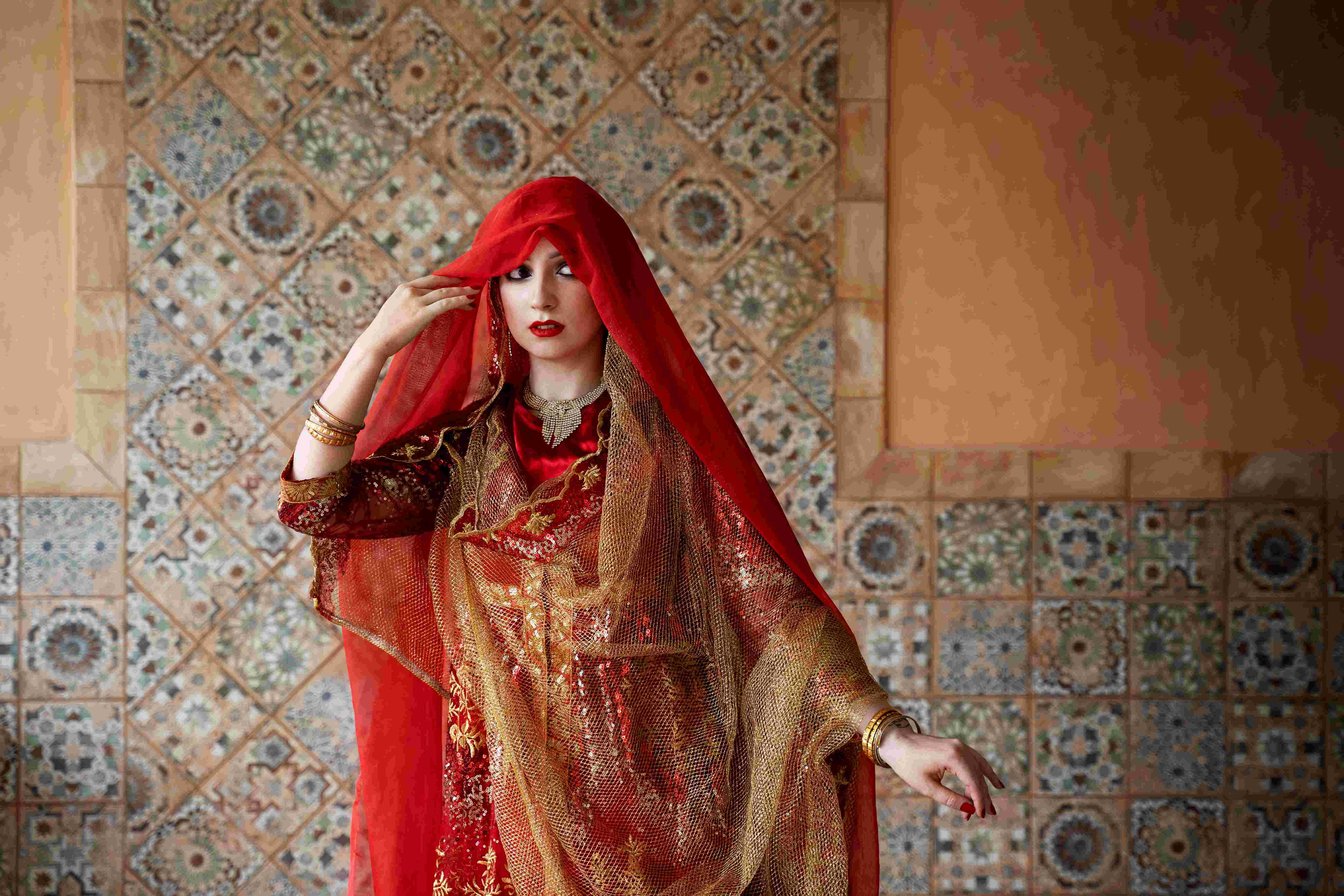
A wedding is one of the most significant milestones in a woman's life, and the outfit she chooses for this occasion is a reflection of her personality, heritage, and dreams. For Indian brides, the saree has always been a symbol of grace, tradition, and timeless beauty. Indian bridal sarees for wedding ceremonies are crafted with extraordinary care, using some of the finest fabrics and most intricate embellishments that Indian craftsmanship has to offer.
The richness of Indian bridal sarees lies not only in their visual appeal but also in the stories they carry. Each weave, each motif, and each border tells the story of a region, a tradition, and a community. From the grand Benarasi silk of Varanasi to the delicate Kanjivaram of Tamil Nadu, the diverse range of Indian bridal sarees reflects the incredible cultural tapestry of the country.
Silk is undoubtedly the most revered fabric for bridal sarees in India. Its natural sheen, durability, and ability to hold intricate embroidery make it the ideal choice for wedding wear. Kanjivaram silk sarees, also known as Kanchipuram sarees, are among the most prized possessions in a South Indian bride's trousseau. Woven with pure mulberry silk and real zari, these sarees are known for their bold contrasting borders, rich colors, and intricate temple motifs.
Banarasi silk sarees are another iconic choice for Indian bridal sarees for wedding occasions. Originating from the holy city of Varanasi, these sarees are woven on traditional handlooms and feature elaborate brocade patterns inspired by Mughal art and architecture. The use of gold and silver zari in the weaving creates a fabric that shimmers with regal elegance, making it a favorite among brides across India and the diaspora.
Bridal sarees are not limited to silk alone. Fabric choices like tissue, organza, net, and velvet have also found their place in the modern bridal wardrobe. Tissue sarees, with their translucent quality and metallic sheen, have a contemporary glamour that appeals to modern brides. Net sarees adorned with heavy embroidery work offer a romantic, ethereal look that is perfect for evening wedding ceremonies.
Embellishments on bridal sarees can range from delicate hand embroidery to heavy stone work and zardozi. Resham embroidery, Gota Patti work, mirror embellishments, and sequin detailing are all commonly used techniques that add a layer of opulence to the saree. Many brides choose sarees that feature these decorative elements on both the pallu and the border for a cohesive, grand look.
Color is a deeply personal and culturally significant choice for Indian brides. Red remains the most traditional and widely chosen color, symbolizing fertility, prosperity, and auspiciousness. However, modern brides are increasingly exploring beyond traditional red to embrace colors like deep maroon, coral pink, blush, gold, ivory, and even pastels. The choice of color is often influenced by regional traditions, family customs, and personal preferences.
Draping style is another important consideration when choosing Indian bridal sarees for wedding ceremonies. Different regions of India have their own distinctive draping styles, each of which can dramatically alter the look of a saree. The Nivi drape from Andhra Pradesh, the Gujarati seedha pallu, the Bengali style, and the Maharashtrian Nauvari drape are just a few examples of the diverse ways in which a saree can be worn.
Accessorizing a bridal saree requires careful consideration. Traditional gold jewelry including necklaces, earrings, bangles, maang tikka, and nath (nose ring) are classic choices that complement the richness of a bridal saree beautifully. The choice of blouse, in terms of both fabric and design, also plays a crucial role in completing the bridal look.
In conclusion, Indian bridal sarees for wedding occasions are more than just garments. They are cherished heirlooms, cultural symbols, and works of art that connect a bride to her roots while celebrating the joy of one of life's most precious moments. Choosing the right bridal saree is an experience that is both deeply personal and profoundly meaningful.




 English
 Indonesia
 Arabic
 French
 Spanish
 Portuguese
 Turkish
 Dutch
Dutch
 Italiano
 Russian
 Romaian
 Portuguese (Brazil)
 Greek
Greek