


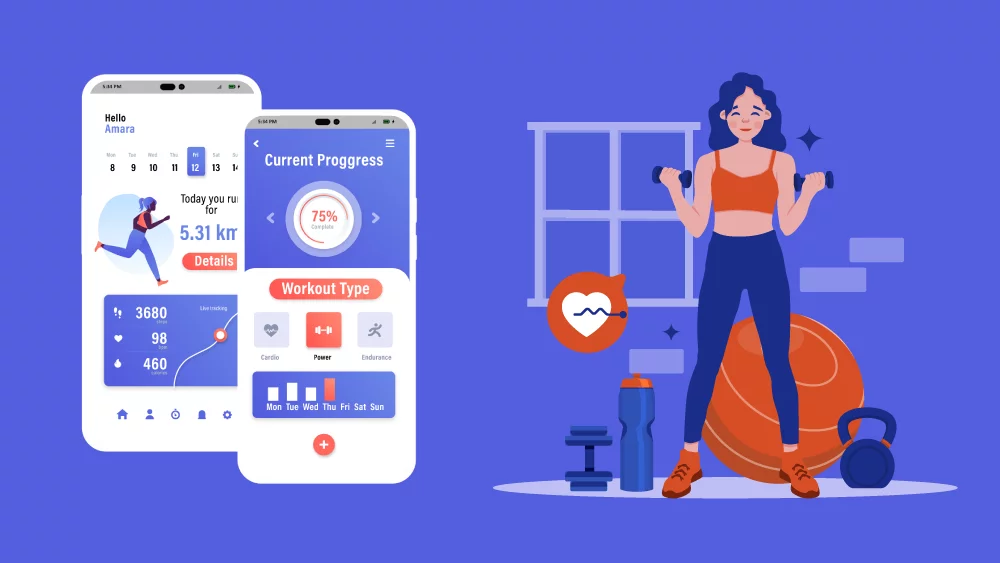
A modern Fitness App Market Platform is a far more sophisticated entity than a simple standalone mobile application; it is a complex, multi-layered digital ecosystem designed to deliver a comprehensive and engaging health and wellness experience. The architecture of such a platform can be conceptually divided into several key layers, each serving a critical function. The most visible layer is the front-end, the user interface (UI) and user experience (UX) that the customer directly interacts with. This is where meticulous design is paramount to ensure the app is intuitive, visually appealing, and easy to navigate. Beneath this surface lies the powerful back-end infrastructure, typically hosted on scalable cloud services like Amazon Web Services (AWS) or Google Cloud. This back-end is responsible for a host of critical operations, including managing user accounts and subscription data, storing vast amounts of user-generated activity data, and running the complex algorithms that power personalization. The platform's architecture is fundamentally built for connectivity, designed to ingest data from a multitude of sources and present it to the user in a coherent, actionable format, thereby transforming raw data into meaningful health insights and guidance.
The technological foundation of a fitness app platform is its ability to seamlessly integrate with a wide array of hardware and software, creating a unified data ecosystem. A key component of this is the platform's adept use of the built-in sensors found in every modern smartphone. The GPS is used to accurately track the distance and pace of outdoor runs and cycles, while the accelerometer and gyroscope are used to count steps, estimate calorie burn, and even detect specific types of exercises. However, the true power of the platform is unlocked through its use of Application Programming Interfaces (APIs). These APIs allow the app to establish a two-way communication channel with third-party systems. For instance, APIs are used to connect with wearable devices like the Apple Watch or Fitbit, enabling the app to pull detailed heart rate, sleep, and activity data. They also facilitate integration with overarching health data aggregators like Apple's HealthKit and Google Fit, allowing the app to both contribute to and draw from a user's centralized health record. Furthermore, social APIs enable users to log in with their Facebook or Google accounts and share their workout achievements on social media, enhancing the app's virality and social engagement features.
The core value proposition of a leading fitness app platform is its ability to deliver personalized, high-quality content at scale, a task managed by its sophisticated content delivery and personalization engine. The content itself is a major investment, comprising vast libraries of professionally produced video workouts, audio-guided runs and meditations, and detailed nutritional recipes and meal plans. This content is stored and managed in a content management system (CMS) and delivered to users globally via a content delivery network (CDN) to ensure fast, buffer-free streaming. The magic, however, lies in the personalization engine, which is increasingly powered by artificial intelligence (AI) and machine learning (ML). When a user first joins, the platform typically gathers initial data through a questionnaire about their goals, fitness level, and preferences. The AI then uses this information to recommend a suitable starting program. As the user completes workouts and provides feedback (e.g., rating a workout's difficulty), the ML algorithms learn and adapt, progressively tailoring future recommendations. This creates a dynamic, responsive experience where the platform evolves with the user, ensuring the content remains challenging, effective, and engaging over the long term, thereby maximizing user retention.
No modern digital platform is complete without a strong social and community layer, and fitness apps are a prime example of this principle in action. Recognizing that motivation and accountability are profoundly influenced by social connection, developers have woven community features into the very fabric of their platforms. This transforms the app from a solitary tool into a bustling social network centered around health and wellness. Common features include activity feeds where users can see their friends' completed workouts, offering "kudos" or supportive comments. Leaderboards, whether among a small group of friends or across the entire global user base, tap into a competitive spirit and encourage users to push themselves harder. Group challenges, such as a team goal for total miles run in a month, foster a sense of camaraderie and shared purpose. Many platforms also build communities around their star instructors, allowing users to feel a personal connection to their virtual trainers. This sense of belonging is a powerful driver of engagement. By creating an environment where users can share their struggles, celebrate their achievements, and motivate one another, platforms build a loyal and sticky user base that is far less likely to churn.
Top Performing Market Insight Reports:




 Indonesia
 Arabic
 French
 Spanish
 Portuguese
 Deutsch
 Turkish
 Dutch
Dutch
 Italiano
 Russian
 Romaian
 Portuguese (Brazil)
 Greek
Greek