


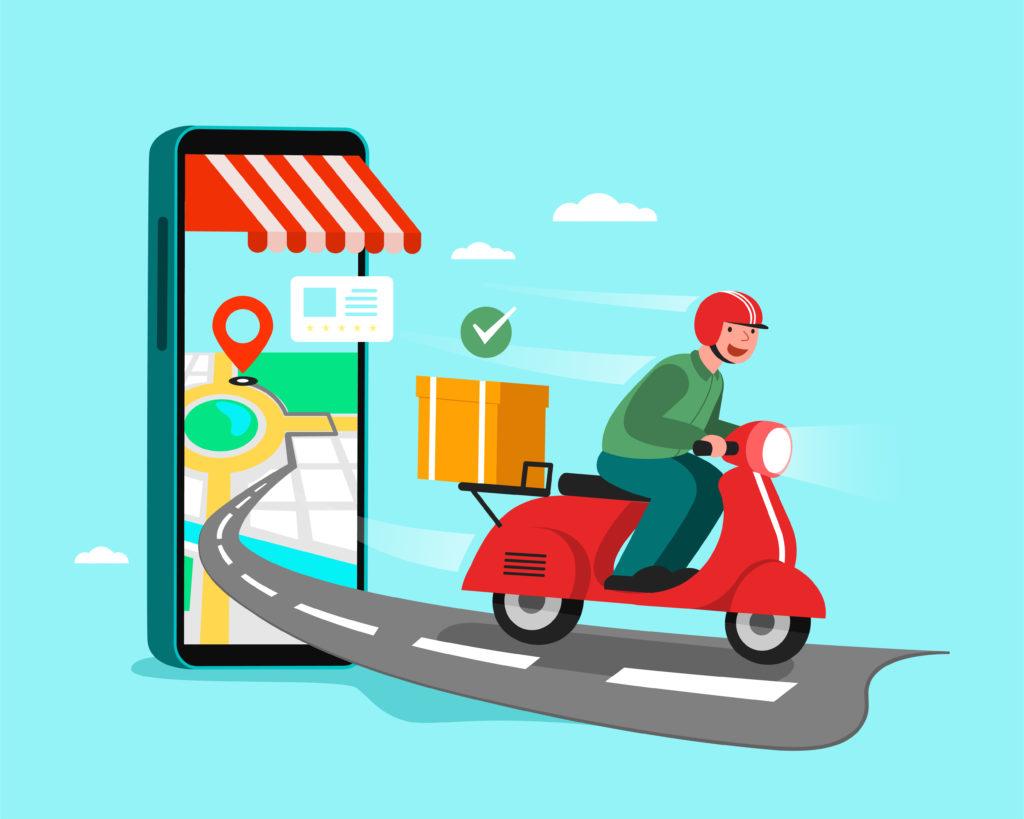
The global Online Food Delivery Market Share is a fiercely contested and geographically fragmented landscape, where a handful of global and regional giants have emerged to dominate their respective territories in a high-stakes battle for consumer loyalty. In North America, the market is an intense three-way race. DoorDash holds the commanding market share in the United States, having achieved its leadership position through aggressive expansion into suburban markets and a relentless focus on operational efficiency. Uber Eats, leveraging the massive brand recognition and logistics power of its ride-hailing parent company, holds a strong second position, with a particular strength in major urban centers and international markets. Grubhub (now part of Just Eat Takeaway), one of the earliest players, remains a significant competitor, though its market share has been under pressure from the more aggressive growth of its rivals. This battle for the North American market is characterized by massive marketing spends and constant promotional activity.
In Europe, the market share is largely consolidated under two major players. Just Eat Takeaway.com, a European giant formed through a series of mergers, holds a dominant position in many key markets, including the UK, Germany, and the Netherlands. Its strategy has been to acquire and consolidate the leading local players in each country. Its primary competitor is Deliveroo, which has a strong presence in the UK and several other European markets, and has often differentiated itself by focusing on a more premium selection of restaurants and a superior customer experience. Uber Eats is also a significant player in many European cities, particularly in France. The European market is characterized by this mix of a large, pan-European consolidator and strong, focused competitors, with the landscape varying significantly from country to country.
The Asia-Pacific region represents the largest and most dynamic market for online food delivery, but the market share is highly localized. In China, the market is an effective duopoly, overwhelmingly dominated by Meituan and Ele.me (owned by Alibaba). These are not just food delivery apps but "super apps" that offer a vast range of services, creating a powerful ecosystem lock-in. In India, the market is a fierce duopoly between Zomato and Swiggy, both homegrown unicorns that have battled for market share with intense competition and innovation. In Southeast Asia, GrabFood and Foodpanda (owned by Delivery Hero) are the dominant players across the region, often competing head-to-head in markets like Singapore, Malaysia, and Thailand. The Asian market demonstrates that success requires deep localization and often involves integrating food delivery into a broader suite of on-demand services.
The market share dynamics are also influenced by the underlying business model. In many markets, the "platform-to-consumer" model, where the platform controls the logistics, has become dominant. The companies that have built the most efficient and scalable delivery networks (like DoorDash, Deliveroo, and Swiggy) have been the ones to win the most market share. The older "aggregator" model, which just provides the online ordering software, has seen its share decline, though it remains relevant in some markets. Furthermore, a new wave of competition is emerging from the rapid growth of "quick commerce" players like Getir and GoPuff. While they started with groceries, they are increasingly adding restaurant meals to their offerings, leveraging their ultra-fast delivery networks to compete with the established food delivery platforms, potentially reshaping the market share landscape once again.
Explore More Like This in Our Regional Reports:
Clientless Remote Support Software Market



 English
 Indonesia
 Arabic
 French
 Spanish
 Deutsch
 Turkish
 Dutch
Dutch
 Italiano
 Russian
 Romaian
 Portuguese (Brazil)
 Greek
Greek