


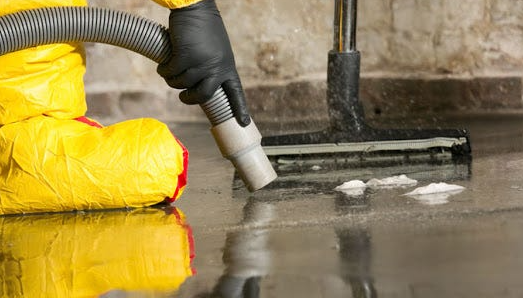
Moisture problems in a home can quickly turn into serious issues when not handled promptly and correctly. Whether caused by a small leak, a plumbing failure, or a weather-related event, excessive moisture can lead to structural damage, electrical hazards, and harmful mold growth. Homeowners often try to handle cleanup on their own, but without following proper safety guidelines, the situation can become risky. Understanding the best safety practices is essential to protect your property and your health. When the situation becomes too severe, relying on professional Water Damage Restoration services is the safest and most effective option.
Below are the most important safety practices to follow during home moisture cleanup.
1. Assess the Situation Before Starting
Before you begin any cleanup effort, it’s crucial to carefully evaluate the extent of the moisture problem. Check for signs of structural weakness, such as sagging ceilings, warped floors, or unstable walls. If any part of the structure seems unsafe, avoid entering that area. In cases where water has been standing for a long time, the damage may be more serious than it looks from the surface.
Additionally, consider the source of the moisture. If it is due to a sewage backup or contaminated water, cleanup becomes a health hazard and should be handled with extreme caution or by trained professionals. Never start cleanup until you are confident the environment is safe.
2. Turn Off Electricity in Affected Areas
Water and electricity together can create life-threatening conditions. Before touching or moving anything in a wet area, turn off electrical power to that part of the home from the main breaker. Do not attempt to unplug appliances or switch off outlets while standing in water.
If the electrical panel is inaccessible or too close to the moisture-affected area, stay away and call an electrician or emergency services. Safety should always take priority over saving belongings or speeding up cleanup.
3. Wear Proper Protective Gear
Moisture cleanup exposes you to contaminants, mold spores, sharp objects, and cleaning chemicals. Protective gear helps minimize health risks and prevents injuries. At a minimum, you should wear:
- Waterproof gloves
- Safety goggles
- Rubber boots with non-slip soles
- Long sleeves and long pants
- A high-quality mask or respirator, especially if mold is present
These items form a first line of defense against bacteria, mold, debris, and chemicals often encountered during cleanup.
4. Ensure Proper Ventilation
Moisture, cleaning chemicals, and airborne contaminants can create a toxic indoor environment. Open windows and doors to promote airflow. Use fans to help circulate fresh air, but only if it’s safe to plug them in. Avoid using electrical equipment in damp areas without confirming the power is safe.
Good ventilation not only makes the cleanup area safer but also speeds up the drying process and helps prevent mold growth.
5. Remove Standing Water Carefully
When removing standing water, avoid using household appliances like vacuum cleaners unless they are specifically designed for wet use. Use buckets, mops, and wet/dry shop vacuums. Be cautious when moving around in water, as slippery conditions increase the risk of injury.
If the standing water is deeper than a few inches or if the flooded area is large, professionals with industrial pumps and safety equipment should handle the extraction.
6. Watch for Mold Growth
Mold can start growing within 24–48 hours of moisture exposure. It can spread quickly and pose serious health risks if disturbed without proper precautions. If you see visible mold or smell a musty odor, avoid touching the affected area. Minor mold patches can sometimes be cleaned by homeowners, but larger infestations should be handled by trained specialists for safety.
Always assume that mold may be present in hidden areas, such as behind walls, under flooring, or inside insulation.
7. Protect Your Belongings Safely
Before removing items from the affected area, ensure they are safe to handle. Lift heavy or waterlogged items carefully to avoid back strain or injury. Certain items, such as electronics, may pose shock hazards and should not be plugged in or tested until thoroughly inspected by a professional.
Prioritize saving important documents, photographs, and valuables, but do so cautiously. Some items can be dried and restored, whereas others may need to be discarded to avoid contamination.
8. Use Cleaning Products Correctly
Many cleaning products contain chemicals that can cause respiratory irritation or chemical burns if used incorrectly. Always read labels before applying any cleaning solution. Avoid mixing products like bleach and ammonia, as this can create toxic fumes.
When disinfecting surfaces, ensure you have adequate ventilation and the proper protective gear. Use only the amount recommended and keep cleaning supplies away from children and pets.
9. Prevent Cross-Contamination
Moisture-affected areas often contain bacteria, mold spores, and dirt that can easily spread to other parts of the home. To avoid cross-contamination:
- Set up plastic barriers, if possible
- Keep doors to unaffected areas closed
- Remove shoes or boots before leaving the cleanup zone
- Dispose of contaminated materials immediately
These steps help maintain a safe and clean environment throughout your home.
10. Know When to Call Professionals
While homeowners can handle minor moisture cleanup, more severe situations require expert intervention. Professional teams have the equipment, training, and experience needed to properly extract water, dry the property, and address mold or structural issues safely.
If you notice extensive damage, ongoing moisture problems, or rapid mold growth, contacting a professional restoration service is the most responsible step.
Conclusion
Moisture cleanup may seem straightforward, but without the right safety measures, it can lead to accidents, health risks, and long-term damage. By assessing the area, turning off electricity, using appropriate protective gear, and understanding potential hazards, you can manage small moisture issues safely. However, when the situation is beyond your comfort level or appears risky, don’t hesitate to call trained Water Damage Restoration experts to ensure thorough and safe cleanup.




 Indonesia
 Arabic
 French
 Spanish
 Portuguese
 Deutsch
 Turkish
 Dutch
Dutch
 Italiano
 Russian
 Romaian
 Portuguese (Brazil)
 Greek
Greek