


Concrete is tough, but it is not invincible. Driveways crack, steps chip, and garage floors develop small pits. When that happens, you need more than a bag of sand and cement. You need quality concrete repair materials that actually bond, hold up to weather, and last for years. I’ve seen too many people grab the cheapest patch from a big box store, only to redo the same repair six months later. The good news? Finding quality concrete repair materials is easier than you think if you know where to look.
You can find quality concrete repair materials at local home improvement stores, specialty concrete supply shops, trusted online retailers, manufacturer direct websites, and local concrete or masonry yards. The best choice depends on your specific damage, project size, and how fast you need the material
What Are Quality Concrete Repair Materials?
Quality concrete repair materials are not just basic mortar mixes. They are engineered products designed to bond to existing concrete, resist freeze-thaw cycles, handle foot or vehicle traffic, and stop water intrusion. They include high-strength patching compounds, epoxy injection systems, polyurethane sealants, concrete resurfacers, and bonding agents.
These products have clear technical specs: compressive strength measured in psi, bond strength, working time, and cure time. A good concrete patch should have a compressive strength close to or better than the original slab. That is what separates a real repair from a temporary cover-up.
Best Places to Find Quality Concrete Repair Materials
1. Local Home Improvement Stores
For most homeowners, big-box stores like Home Depot, Lowe’s, Ace Hardware, and Menards are the fastest option. You can walk in, compare labels, and talk to a store associate. These stores carry reliable brands such as Quikrete, Sika, Rust-Oleum, DAP, and Sakrete.
This is a great place to find concrete crack filler, fast-setting patch, concrete resurfacer, and basic bonding agents. If you have a small driveway crack or a chipped step, you’ll likely find what you need in the concrete and masonry aisle.
Just know that big-box stores often stock consumer-grade products. They work well for minor repairs but may not be strong enough for structural cracks or heavy-duty commercial jobs. For those, you’ll need a specialty supplier.
2. Specialty Concrete Supply Stores
Specialty concrete repair supply stores are where contractors and experienced DIYers go. These shops focus only on concrete and masonry, so they carry industrial-grade materials like epoxy injection kits, polymer-modified repair mortars, and high-strength grouts.
Search “concrete repair supplies near me” to find local options. The biggest advantage here is expertise. The staff can tell you whether you need an epoxy or polyurethane for a crack, how to prep the surface, and which bonding agent works best. If you’re dealing with a structural issue or a commercial floor, this is the place to go.
3. Online Retailers
Online shopping has made it much easier to find quality concrete repair materials without leaving your house. Amazon, Walmart, and specialty e-commerce sites like Concrete Decor Store, Construction Fasteners, and Contractor Supply carry a huge range of products.
The best part? You can read customer reviews, compare technical specs, and check coverage per bag before you buy. This helps you avoid weak products. The downside is shipping. Concrete repair products are heavy, and shipping costs can add up. Always check the shipping fee before ordering large quantities.
For hard-to-find items like low-temperature epoxy or high-build resurfacer, online retailers are often your only option outside of manufacturer direct.
4. Manufacturer Direct Websites
Buying directly from manufacturers such as Sika, Quikrete, Rust-Oleum, Simpson Strong-Tie, and BASF is a smart move for professional users and serious DIYers. Manufacturer websites offer the full product line, not just what a store decides to stock.
You also get access to technical data sheets, safety data sheets, application videos, and warranty information. Many manufacturer sites have a “where to buy” tool that points you to local distributors or online partners. This is where you find advanced products like structural epoxy concrete repair systems and high-performance concrete bonding agents.
5. Local Concrete and Masonry Yards
If you need bulk materials or specialized repair mortars, check local concrete ready-mix plants and masonry supply yards. These are the places contractors use to buy sand, cement, aggregates, curing compounds, and bulk repair materials.
You may not find small consumer packages here, but you will find high-quality products at better per-pound prices. Some yards also sell proprietary repair mixes that are not available in retail stores. If you have a large project like resurfacing an entire driveway or repairing a loading dock this is the most cost-effective route.
How to Choose Quality Concrete Repair Materials
Finding the store is only half the battle. You also need to pick the right product for the job. Here’s how:
-
Match the product to the damage. A hairline crack needs a different product than a spalled corner. Use concrete crack filler for narrow non-structural cracks, patching compound for holes, and epoxy injection for structural cracks.
-
Check compressive strength. Look for a product with a psi rating at or above the original concrete. Most residential slabs are 3,000–4,000 psi. A good repair material should be at least 4,000 psi.
-
Think about weather exposure. If the repair is outdoors, choose a product rated for freeze-thaw cycles and UV exposure. Polyurethane sealants stay flexible, which helps in cold climates.
-
Consider working time. Fast-setting patch is great for quick fixes but gives you less time to work. If you’re new to concrete repair, choose a product with a longer open time.
-
Use a bonding agent. Many repairs fail because the new material doesn’t stick to the old concrete. A quality concrete bonding agent improves adhesion dramatically.
-
Read the technical data sheet. This is where manufacturers list coverage, cure time, application temperature, and limitations. It’s the best way to avoid surprises.
Types of Concrete Repair Materials You Should Know
Understanding the main categories makes shopping much easier. Here are the most common types:
-
Concrete patching compound: Thick, moldable material for filling holes, spalls, and deep cracks. Available in fast-setting and standard versions.
-
Epoxy concrete repair: High-strength, structural repair for cracks and anchoring. Often sold as a two-part injection system.
-
Polyurethane sealant: Flexible, waterproof sealant for active cracks and expansion joints. Great for outdoor concrete.
-
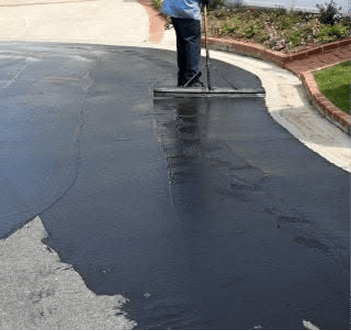
Concrete resurfacer: A thin polymer-modified overlay that renews worn or pitted surfaces. Applied with a squeegee or broom.
-
Concrete bonding agent: A liquid primer or additive that helps new concrete stick to old concrete.
-
Self-leveling underlayment: A flowable mix for smoothing interior floors before tile or flooring.
-
Crack filler: A simple, often acrylic or latex product for narrow, non-structural cracks.
Questions to Ask Before Buying
Before you hand over your credit card, ask these questions:
-
What is the compressive strength after 28 days?
-
Is this product suitable for outdoor freeze-thaw conditions?
-
Does it require a separate bonding agent?
-
How long until I can walk or drive on the repaired area?
-
What is the coverage per bag or kit?
-
Can it be painted or stained after curing?
-
Is it low-VOC and safe for indoor use?
These questions help you compare products and avoid weak, overpriced fillers. If a product label doesn’t answer them, check the manufacturer’s website or call the store.
Conclusion
Quality concrete repair materials are not hard to find once you know where to look. Start at your local home improvement store for small jobs, visit a specialty supplier for structural repairs, and check manufacturer websites for technical specs and warranties. Online retailers are great for reviews and hard-to-find products, while local concrete yards offer bulk pricing for big projects.
The key is to match the product to the damage and invest in something that will last. A cheap patch might save you a few dollars today, but a quality concrete repair product will save you time, frustration, and money in the long run. Take your time, read the labels, and your concrete will stay strong for years to come.




 English
 Indonesia
 Arabic
 French
 Spanish
 Portuguese
 Turkish
 Dutch
Dutch
 Italiano
 Russian
 Romaian
 Portuguese (Brazil)
 Greek
Greek