


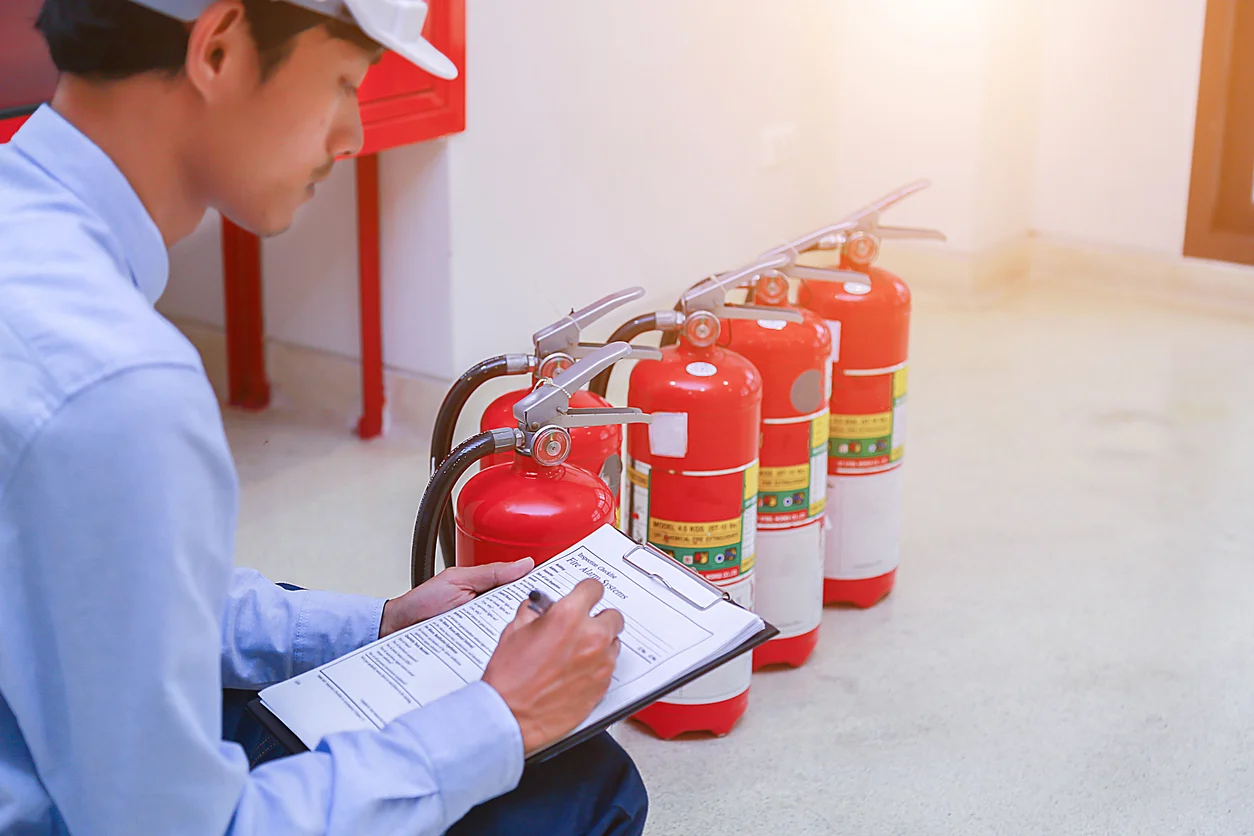
Fire safety is a legal requirement for all commercial and rental properties in London. One of the most important parts of fire protection is ensuring your fire extinguishers are properly serviced and maintained. Fire extinguishers are often the first line of defence in an emergency, but they are only effective if they are in full working condition. Fire extinguisher servicing in London, including legal requirements, servicing frequency, costs, and frequently asked questions.
Why Fire Extinguisher Servicing is Important
Fire extinguishers can lose pressure, become damaged, or expire over time. Without regular servicing, they may fail during an emergency. Proper servicing ensures:
-
The extinguisher is fully charged
-
Internal components are functional
-
Safety seals are intact
-
Pressure levels are correct
-
The unit complies with British Standards
Regular servicing protects lives, property, and your business.
Legal Requirements for Fire Extinguisher Servicing in London
Under the Regulatory Reform (Fire Safety) Order 2005, all businesses and landlords in England are required to maintain fire safety equipment, including fire extinguishers.
This law applies to:
-
Offices
-
Retail shops
-
Restaurants
-
Warehouses
-
Hotels
-
Schools
-
HMOs (Houses in Multiple Occupation)
-
Industrial units
The responsible person (usually the business owner or landlord) must ensure extinguishers are maintained and serviced by a competent professional.
Failure to comply can lead to fines, prosecution, or even closure of the premises.
British Standards for Fire Extinguisher Servicing
Fire extinguisher servicing in London must follow BS 5306, the British Standard for the maintenance of portable fire extinguishers.
According to this standard:
-
Extinguishers must be serviced annually by a qualified technician
-
Extended servicing is required every 5 years (water, foam, powder types)
-
CO₂ extinguishers require an overhaul every 10 years
-
Visual inspections should be done regularly
Hiring a certified fire safety company ensures compliance with these standards.
Types of Fire Extinguishers Commonly Serviced
Different properties require different extinguisher types:
1. Water Extinguishers
Used for Class A fires (wood, paper, textiles).
2. Foam Extinguishers
Suitable for Class A and B fires (flammable liquids).
3. CO₂ Extinguishers
Used for electrical fires.
4. Dry Powder Extinguishers
Multi-purpose, used in industrial environments.
5. Wet Chemical Extinguishers
Designed for kitchen fires involving cooking oils.
Each type requires specific servicing procedures.
What Happens During Fire Extinguisher Servicing?
When a qualified engineer visits your London property, they will:
-
Inspect the body for corrosion or damage
-
Check pressure gauge readings
-
Verify safety pins and tamper seals
-
Weigh CO₂ extinguishers
-
Examine hose and nozzle condition
-
Confirm correct wall mounting
-
Update service labels and certification
-
Record details in your fire safety logbook
If any extinguisher fails inspection, it may require refilling, repair, or replacement.
How Often Should Fire Extinguishers Be Serviced?
Monthly (In-House Check)
The responsible person should check:
-
Extinguisher location
-
Pressure gauge
-
Visible damage
-
Accessibility
Annually (Professional Service)
A certified engineer must carry out a full service once every 12 months.
Extended Servicing
-
Every 5 years (water, foam, powder)
-
Every 10 years (CO₂)
Regular maintenance ensures compliance and functionality.
Fire Extinguisher Servicing Costs in London
Costs depend on:
-
Number of extinguishers
-
Type of extinguishers
-
Property size
-
Location within London
Typical annual servicing costs start from £5–£15 per extinguisher. Larger commercial properties may have higher total costs.
Investing in servicing is far cheaper than facing fines or dealing with fire damage.
Why Choose Professional Fire Extinguisher Servicing?
Professional fire safety companies in London:
-
Follow British Standards
-
Provide official service labels
-
Issue maintenance certificates
-
Offer reminders for next service
-
Provide expert advice on fire safety
Authorities such as the London Fire Brigade may request proof of maintenance during inspections.
Signs Your Fire Extinguisher Needs Attention
You should arrange servicing immediately if you notice:
-
Low pressure gauge reading
-
Broken safety seal
-
Visible rust or dents
-
Expired service label
-
Obstructed or missing extinguisher
Ignoring these signs can put lives at risk.
Benefits of Regular Fire Extinguisher Maintenance
-
Legal compliance
-
Insurance validation
-
Increased workplace safety
-
Reduced fire risk
-
Peace of mind
Regular servicing also helps identify fire safety gaps within your property.
Fire Risk Assessments and Extinguishers
Fire extinguisher servicing in London is not optional — it is a legal and safety requirement. Regular inspections ensure your extinguishers are ready to perform in an emergency. Whether you run a small shop, manage an office building, or rent out property, professional servicing keeps you compliant with UK regulations and protects everyone inside your premises. Fire extinguishers should always match the findings of your fire risk assessment. A professional fire safety provider can assess:
-
Correct extinguisher type
-
Proper placement
-
Required quantity
-
Compliance with safety signage
Combining extinguisher servicing with regular fire risk assessments ensures full protection.
FAQs
1. Is fire extinguisher servicing mandatory in London?
Yes. Under UK fire safety law, businesses and landlords must maintain fire extinguishers in working condition.
2. How often do fire extinguishers need servicing?
They require annual professional servicing and periodic extended maintenance depending on the type.
3. Can I service fire extinguishers myself?
No. Only a qualified and competent technician should perform official servicing to meet British Standards.
4. What happens if I don’t service my extinguishers?
You may face fines, legal action, invalid insurance, or business closure.
5. How long do fire extinguishers last?
Most extinguishers last between 5 to 20 years depending on type and maintenance.
6. Do landlords need to service fire extinguishers?
Yes, especially for HMOs and rental properties where extinguishers are provided.
7. What certificate do I receive after servicing?
You receive a maintenance record label on each extinguisher and documentation for your fire safety logbook.
8. How much does fire extinguisher servicing cost in London?
Costs typically range from £5–£15 per extinguisher annually, depending on the provider.
9. Are CO₂ extinguishers serviced differently?
Yes. CO₂ extinguishers require weight checks annually and pressure testing every 10 years.
10. Can the London Fire Brigade inspect my extinguishers?
Yes. The London Fire Brigade can inspect fire safety compliance during official visits.




 English
 Indonesia
 Arabic
 French
 Spanish
 Portuguese
 Deutsch
 Turkish
 Italiano
 Russian
 Romaian
 Portuguese (Brazil)
 Greek
Greek