


Discover how coffee has fueled political movements and sparked conversations. Explore its influence on revolutions, public gatherings, and modern activism.
The Brewing Revolution: Coffee’s Impact on Politics
Coffee is more than just a beloved beverage. For centuries, it has been the silent companion of revolutions and reformations, fostering discussions, unity, and even rebellion. Its role in shaping political movements and ideas is as rich as its aroma. From 17th-century European coffeehouses to modern-day protests, coffee has fueled minds and movements alike.
Coffeehouses as Political Arenas
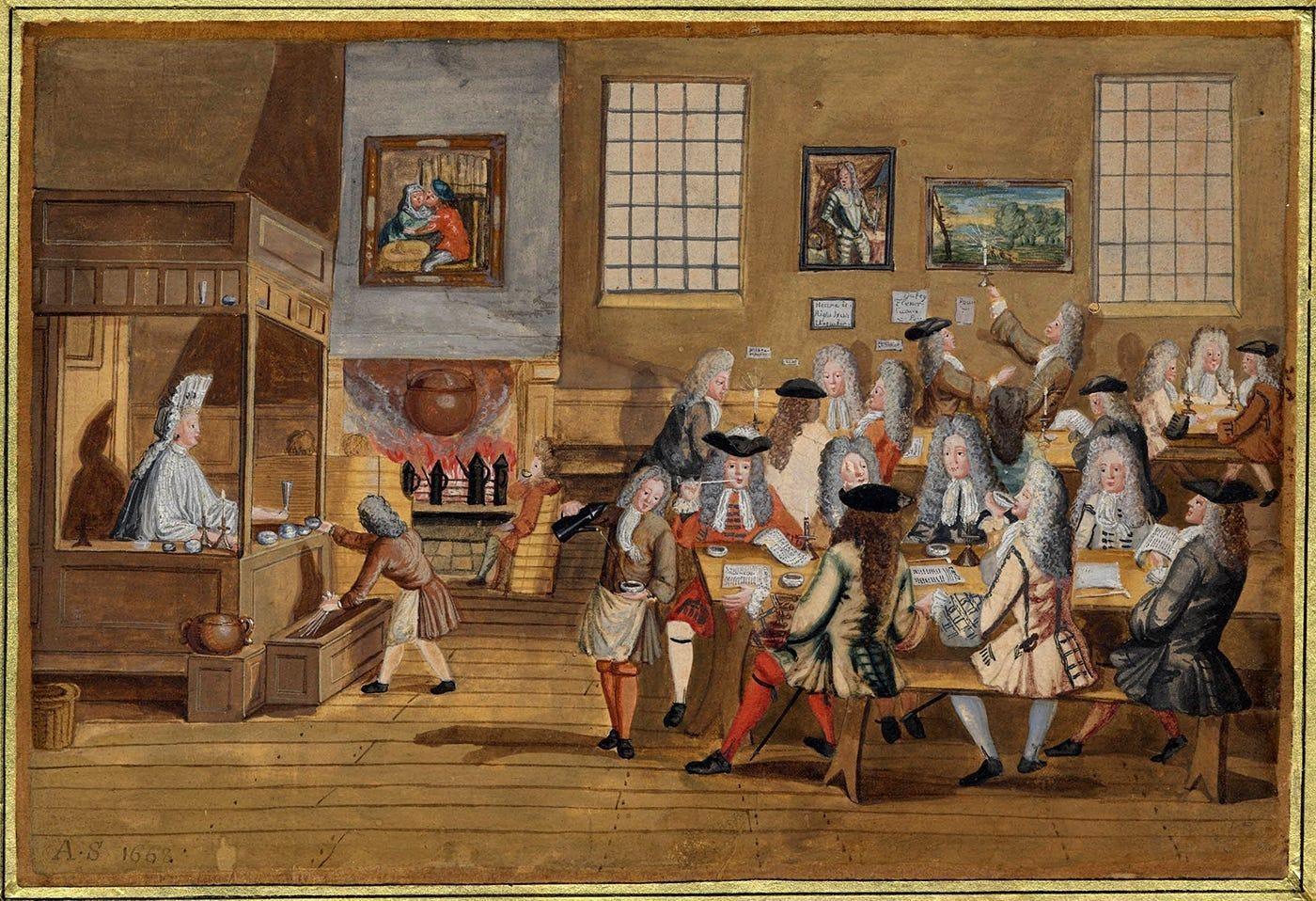
The history of coffeehouses reveals their significant role in political discourse. In the 17th and 18th centuries, coffeehouses across Europe, especially in cities like London, Paris, and Vienna, became hotbeds of political debate. These venues provided a neutral ground where individuals from various social classes could share ideas over a cup of coffee.
The London Coffeehouse Effect
During the Enlightenment, London’s coffeehouses were dubbed “penny universities” because patrons could enter for the price of a cup and gain access to intellectual discussions. Key movements, including the Glorious Revolution of 1688, were fueled by debates and plans hatched within these caffeinated hubs.
The French Revolution’s Caffeinated Catalyst
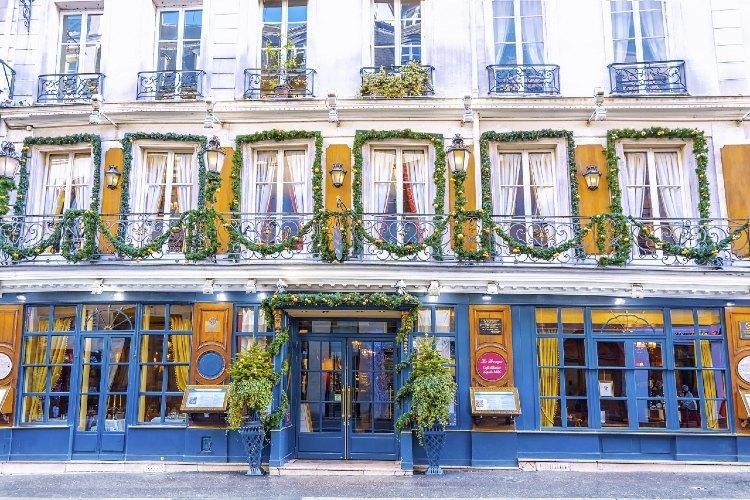
In Paris, coffeehouses like Café de Procope hosted notable revolutionaries, including Voltaire and Robespierre. These venues became spaces where revolutionary ideas were exchanged, ultimately influencing the trajectory of the French Revolution.
Coffee’s Role in Modern Political Movements
Fast-forward to today, coffee remains a staple of activism. Its accessibility and communal nature make it a unifying element during political gatherings and protests. Activist groups often meet in coffee shops to strategize, and coffee itself is a symbol of solidarity during long hours of advocacy.
Arab Spring and Tahrir Square
During the Arab Spring, coffee played an understated but crucial role. In Tahrir Square, Cairo, protesters relied on coffee to stay awake and maintain their energy during long sit-ins demanding political reform. Coffee stalls became meeting points for activists and a symbol of resilience. The sight of protesters gathering over coffee created a shared sense of purpose and camaraderie, further strengthening the movement’s resolve.
Black Lives Matter and Café Culture
In the United States, the Black Lives Matter movement saw coffee shops becoming spaces for organizing and fundraising. Independent coffeehouses hosted community discussions and donation drives, reinforcing their role as hubs of modern political engagement. Coffeehouses also became venues for art exhibitions and open-mic events centered on social justice themes, amplifying voices, and creating awareness within local communities.
Coffee’s Role in Women’s Rights Movements
Coffee has also played a part in women’s rights activism. Historically, women’s coffee gatherings, such as “coffee mornings” in the early 20th century, were platforms for discussing suffrage and other gender equality issues. Today, feminist organizations continue to use coffee shops as safe spaces for meetings and workshops.
Coffee as a Catalyst for Social Change
Coffee’s influence extends beyond fueling conversations. Its cultivation and trade have also sparked significant political movements. Fairtrade practices emerged in response to the exploitation of coffee farmers, leading to global campaigns advocating for ethical sourcing. Organizations like Fairtrade International have highlighted the importance of supporting small-scale farmers and ensuring sustainable practices in the coffee industry.
Coffeehouses in U.S. Political Movements
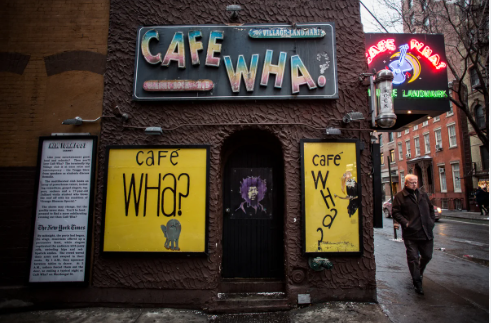
In the United States, coffeehouses have long served as important spaces for political discussions and activism. A real-life example of this is the role coffee shops played during the rise of the Coffeehouse Movement in the 1960s, particularly during the protests against the Vietnam War. The movement was fueled by young activists, college students, and intellectuals who used coffeehouses as venues for political debate, organizing, and rallying support for their cause. One such example is the Café Wha? in New York City, which became a hub for political conversations and gatherings for anti-war activists. Coffeehouses like this provided a platform for individuals to share ideas, organize protests, and foster solidarity, making coffee a key ingredient in shaping political movements in the U.S.
Brewing Unity Over a Cup
The act of sharing coffee fosters connection and unity. Political movements thrive on solidarity, and coffee’s role in bringing people together is unmatched. Whether it’s brainstorming strategies, sharing stories, or providing comfort, coffee is the unspoken ally of political change. The symbolism of coffee as a drink shared among equals embodies the principles of dialogue, collaboration, and mutual respect.
Make Your Mark with Every Cup
Ready to experience coffee’s transformative power? Explore our ethically sourced blends that not only invigorate your day but also support global coffee farmers. Together, we can brew a better world one cup at a time.
Call to Action:
Discover the coffee that fuels change. Shop our premium blends today and be part of a movement that matters.
Reference:
https://conversational-leadership.net/coffee-houses/
https://bigthink.com/the-past/penny-universities-coffeehouse/
https://www.history.com/topics/european-history/glorious-revolution




 Indonesia
 Arabic
 French
 Spanish
 Portuguese
 Deutsch
 Turkish
 Dutch
Dutch
 Italiano
 Russian
 Romaian
 Portuguese (Brazil)
 Greek
Greek